Living in Northern Nevada comes with perks. We have stunning sunsets, Lake Tahoe in our backyard, and wide-open roads. But we also have hills. Lots of them.
If you have ever driven up the Mt. Rose Highway or navigated the steep grades around Virginia City, you know the feeling. You press the gas, the engine roars to life, the RPM needle shoots up, but your car does not seem to be moving any faster.
It is a sinking feeling. Your mind immediately jumps to the worst case scenario: transmission failure.
Replacing a transmission is one of the most expensive repairs a car owner can face. But before you start looking up trade-in values, let’s pause. Driving in our high desert terrain puts unique stress on a vehicle. Sometimes, what feels like a mechanical failure is actually just your car trying to cope with gravity and altitude.
At Arrow Automotive, we specialize in distinguishing between a car that is working hard and a car that is hardly working. Here is how to tell the difference.
The “Nevada Factor”: Altitude and Gravity
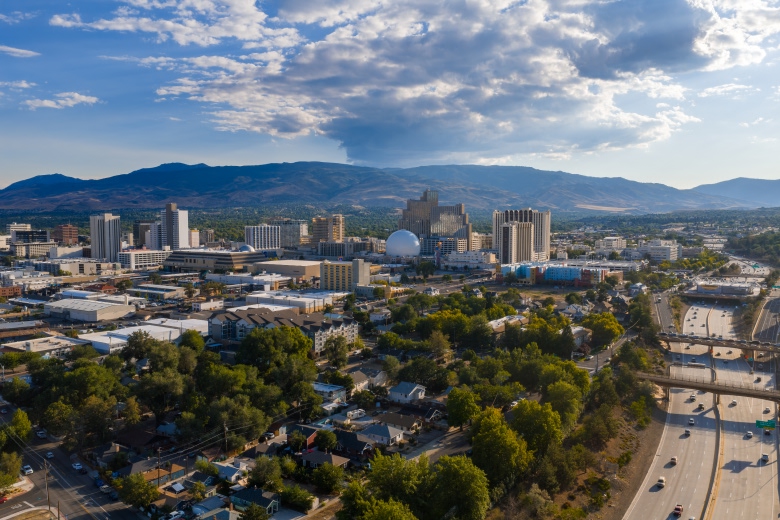
First, we have to look at where we live. Reno sits at about 4,500 feet, and it only goes up from there.
Why does my car feel sluggish on hills?
Engines need oxygen to burn fuel. At our elevation, the air is thinner than it is at sea level. This means your engine naturally produces less power. To compensate for this lack of power while climbing a steep grade, your transmission has to downshift into a lower gear.
When this happens, your engine RPMs will spike. It sounds loud and aggressive. To many drivers, this disconnect between high noise and low speed feels like “slipping,” but it is often just the transmission doing its job to keep you moving against gravity with less oxygen available.
What Does a Slipping Transmission Actually Feel Like?
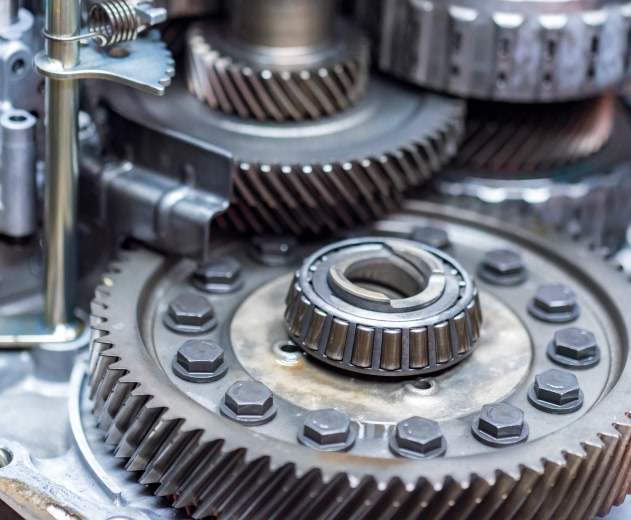
If the hills aren’t to blame, you might have a real issue. Transmission slipping is distinct once you know what to look for. It is literally the internal clutches failing to hold the gear, causing the engine to spin without turning the wheels effectively.
What are the classic signs of slipping?
- The RPM Surge: You are driving on a flat road (like McCarran Blvd) at a steady speed. Suddenly, the RPMs jump up without you pressing the gas harder, and the car doesn’t speed up. That is a slip.
- Delay in Engagement: You shift from Park to Drive, but there is a long pause (more than a second or two) before you feel the car actually “clunk” into gear.
- Hard Shifting: instead of a smooth transition, the car jerks or slams into the next gear.
If you experience these symptoms on flat ground, the “it’s just the hills” excuse no longer applies.
The Nose Knows: Why Burnt Smells Matter
Your car communicates through sounds, lights, and yes, smells. If you are worried about your transmission, take a moment to sniff the air after a drive.
Why does my car smell like burnt toast?
Transmission fluid does more than just lubricate; it keeps the internal parts cool.
When a transmission is slipping, there is excessive friction.
This friction creates intense heat, which literally cooks the fluid.
If you get out of your car and smell something sweet and acrid, like burnt toast or tart cherries, that is your transmission fluid overheating. This is a major red flag. Fluid that loses its ability to cool will lead to rapid destruction of the gears.
Gear Hunting vs. Slipping: Spot the Difference
Modern cars are controlled by computers that are constantly trying to balance fuel economy with power. In hilly terrain, this can lead to something called “gear hunting.”
Is it normal for the car to keep changing gears?
On a grade, yes. The computer shifts up to save gas, realizes it doesn’t have enough power, and immediately shifts back down. It can feel jerky and indecisive.

“I’ve always enjoyed working on my own vehicles, but for a transmission flush, I decided to avoid the mess and leave it to the pros.
The transmission service was completed in a day, and they were upfront and honest about everything.
Brett Buck
- Gear Hunting: The car shifts up and down repeatedly, but when it is in gear, it feels solid.
- Slipping: The car struggles to stay in any gear, or the engine revs high while the car feels like it is coasting in neutral.
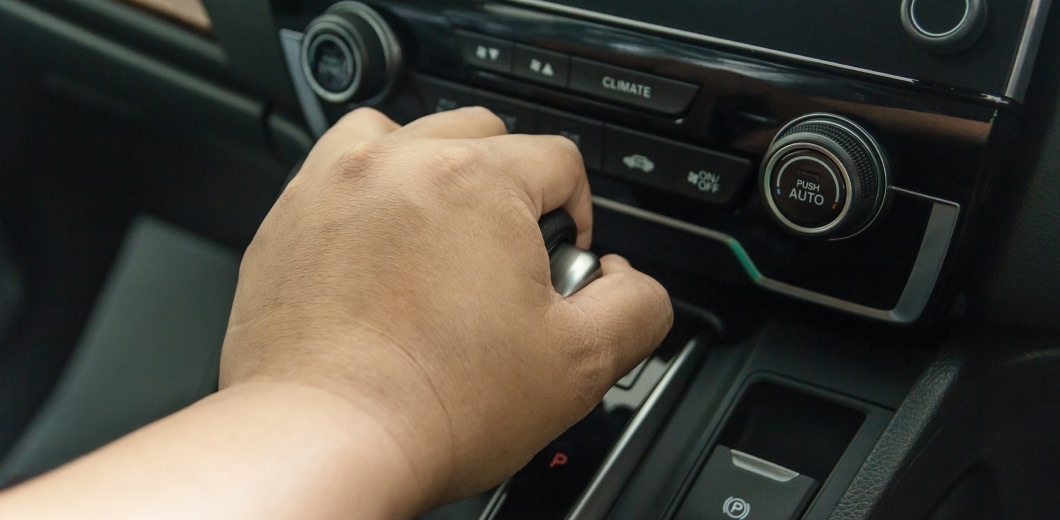
If you are unsure, try manually shifting into a lower gear (using “L” or “3” on your shifter) when going uphill. If the car holds that gear steadily without weird RPM spikes, your transmission is likely fine; it was just hunting.
Why Maintenance is Cheaper Than Replacement
At Arrow Automotive, we hate seeing customers face massive repair bills that could have been prevented. We are a “Green” shop, and part of being green is keeping your current car on the road as long as possible rather than sending parts to the scrapyard.
How often should I change my transmission fluid?
Manufacturers vary, but generally every 30,000 to 60,000 miles is a safe bet, especially if you drive in the mountains. Fresh fluid protects the clutches and gears from the heat generated by our Nevada roads.
What is the next step?
If your car is acting up and you can’t tell if it is the altitude or a mechanical issue, bring it to us. We can test the fluid, check the computer for codes, and take it for a test drive to feel exactly what is happening.

Give us a call at Arrow Automotive.
It might just be the hills. But if it isn’t, catching it early is the difference between a minor service and a major overhaul.
Let’s get you back on the road with confidence.