
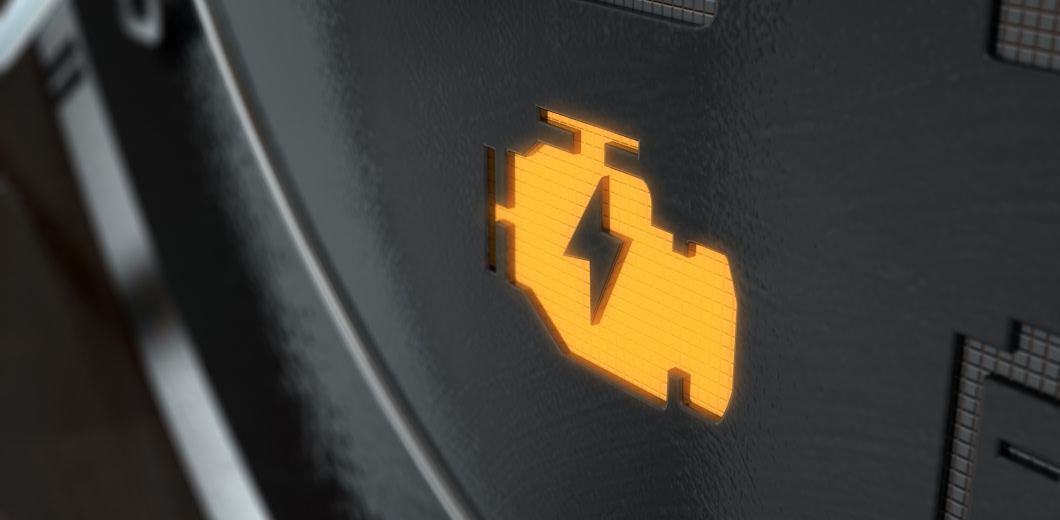
We have all been there. You are cruising down I-580 (or 395 for those of us that remember Reno without traffic jams), maybe heading up to Tahoe for the weekend or just tackling the daily commute through Reno, when it happens; that little orange or yellow symbol pops up on your dashboard.
Your heart sinks a little, doesn’t it?
The Check Engine Light is arguably the most misunderstood and anxiety-inducing symbol in modern motoring. It is vague, it is ominous, and it always seems to appear at the worst possible time. But before you mentally drain your bank account or tape a photo of your dog over the dashboard to hide it, let’s take a deep breath.
At Arrow Automotive, we have seen thousands of these lights. While they can signal trouble, they are often just your car asking for a little attention. We are going to walk you through exactly what is happening under the hood and what you need to do next.
The Panic Moment: Is My Car About to Explode?
The first reaction to a Check Engine Light is usually panic.
Is my engine melting? Is the transmission falling out? Do I need to pull over immediately?
So, is it safe to keep driving?
In most cases, yes. If the light comes on and stays steady (meaning it is not blinking), your car is not in immediate danger of self-destruction. You can usually finish your drive to work or get home safely. However, this does not mean you should ignore it for weeks. Think of a steady light as your car politely tapping you on the shoulder to say, “Hey, something isn’t quite right here. Let’s get it checked out soon.”
The light is part of your vehicle’s On-Board Diagnostics system (OBD-II). It monitors everything from your engine speed to your exhaust mix. When it detects a reading that is outside the normal range, it triggers the light to alert you.
Steady vs. Flashing: Knowing the Difference Saves Engines
This is the most critical rule of thumb every driver in Nevada needs to know. Not all warning lights are created equal.
What is the difference between a steady light and a flashing light?
A steady light indicates a non-critical issue. It could be a sensor that is starting to fail or an emissions problem. You have time to book an appointment.
If the light is flashing, what should I do?
Pull over safely and shut off the engine. Driving with a flashing Check Engine Light can cause catastrophic damage to your engine in a matter of miles. Call a tow truck and get it to us at Arrow. It is better to pay for a tow now than a new engine later.
A flashing light, however, is a different story. If that Check Engine Light is blinking on and off, it indicates a severe engine misfire. This means unburned fuel is being dumped into your exhaust system, which can quickly overheat and destroy your catalytic converter (a very expensive part to replace).
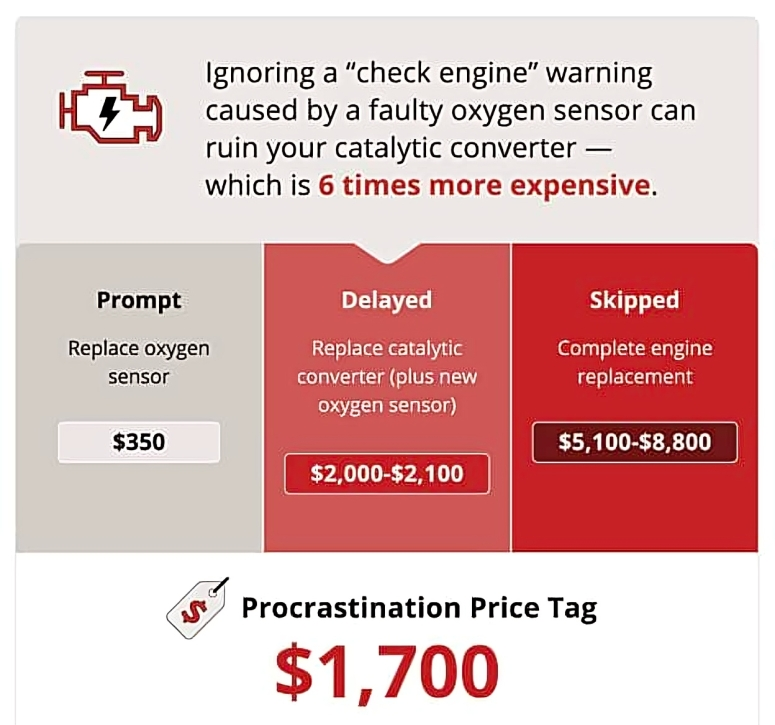
Based on Auto Inc’s Article:
Procrastination Costs Ignoring a $350 oxygen sensor can destroy your catalytic converter, leading to a $2,000 bill. Don’t pay the $1,700 “Procrastination Price Tag.
The Most Common Culprits (It Might Just Be a Gas Cap)
You might be surprised to learn that the Check Engine Light isn’t always signaling a mechanical disaster. Sometimes, it is something incredibly simple.
Could it really be my gas cap?
Absolutely. Your car’s fuel system is pressurized. If the cap isn’t tight, the system detects a leak in pressure and assumes fuel vapors are escaping into the atmosphere.

“Check engine light came on in my truck on a Friday and I was able to get it looked at right after the weekend. They kept me up to date and fixed the underlying issue sooner than their initial estimate. Highly recommended and will go back here if I have issues in the future.“
Alexander de Bruin
Before you panic, walk around to the side of your car and tighten the cap until it clicks. If that was the issue, the light may turn off on its own after a few days of driving.
What else causes the light to come on?
Aside from the gas cap, here are a few frequent offenders we see at our Reno shop:
- Oxygen (O2) Sensor: This measures the amount of unburned oxygen in your exhaust. If it fails, your engine burns more fuel than necessary.
- Catalytic Converter: This part converts carbon monoxide into harmless compounds. It usually fails if you ignore other problems (like that O2 sensor) for too long.
- Mass Airflow Sensor (MAF): This tells the computer how much fuel to add based on the air coming into the engine.
- Spark Plugs/Wires: Worn plugs can cause misfires, reducing power and fuel economy.
Why You Can’t Trust a Simple Code Reader
We often have customers come in saying, “I went to the parts store and they told me I need a P0420 sensor.”
But is the code the answer?
No, and this is a huge misconception. A code reader gives you a “trouble code,” which points to the system having an issue, not necessarily the specific part that failed.
For example, an oxygen sensor code doesn’t always mean the sensor is bad. It could mean there is a vacuum leak, a wiring issue, or an exhaust leak upstream that is tricking the sensor.
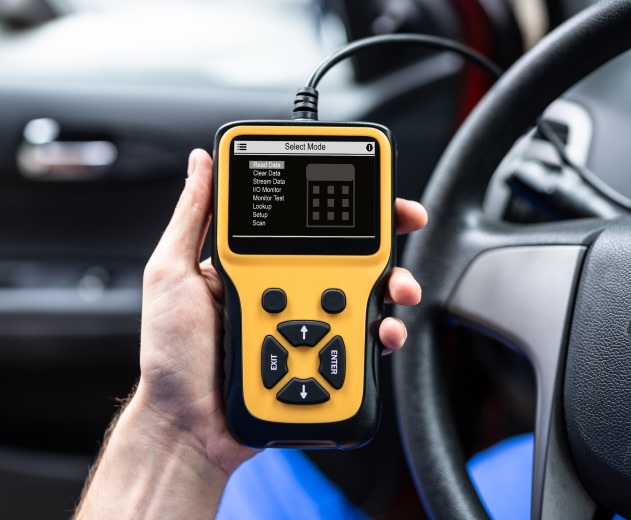
If you just replace the sensor based on the code, you might be throwing money at a part that isn’t broken, while the real problem persists.
That is why professional diagnostics are so important. At Arrow Automotive, we don’t just pull codes, we use advanced testing equipment to trace the root cause. We look at the “why,” not just the “what.”
What Should You Do Right Now?
If that orange light is staring back at you, don’t ignore it. Ignoring it often leads to “cascading failure,” where a cheap part (like a spark plug) fails and eventually ruins an expensive part (like the catalytic converter).
Can I just wait until my next oil change?
We wouldn’t recommend it. While you might be fine, the risk of lowered fuel economy and potential long-term damage isn’t worth the gamble.
Give us a call at Arrow Automotive.
We will run a proper diagnostic, explain exactly what is going on in plain English, and help you decide the best course of action. We believe in transparency – we will even show you what we find so you can feel confident in the repair.
Your car talks to you. It pays to listen.